

Running a geographically distributed team is one of the great privileges of modern business. We UC has team members across the UK, Ukraine, Netherlands, Ireland, Armenia, and Latvia. We collaborate daily through video calls, shared documents, and async communication. It works. Most of the time.
But there's a gap that remote work can't fill. Knowledge lives in people's heads. Experience accumulates in ways that don't translate easily to documentation. And the trust that comes from actually knowing your colleagues - not just their Slack avatar - takes time to build.
So we did something about it. We gathered six of our core team members in Istanbul for a week of intensive knowledge sharing, system testing, and the kind of bonding that only happens when you're in the same room together.
The Problem with Isolated Expertise
We UC is building a unified communications platform. The technology is complex - SIP protocols, phone system components, API architecture, software infrastructure. Each person on the team brings deep expertise in their domain.
Tom, our Software Solutions Architect, understands the core system architecture inside out. Mikhail, our Senior Systems Administrator, knows the infrastructure layer. Konstantins, Head of Technology, holds the strategic technical vision. Matt, Senior UC Platform Engineer, lives in the platform's daily operations. Viktoriia, Head of QA, sees every fault and edge case that the rest of us miss.
The problem? These skill sets were siloed. The knowledge existed, and yes, it was documented to some degree. But documentation only captures what someone thought to write down. It doesn't capture the reasoning behind decisions, the gotchas learned through experience, or the mental models that experts use to diagnose problems.
We realised we had an opportunity. Rather than continuing to work in parallel lanes, occasionally crossing paths on calls, we could bring everyone together and genuinely transfer knowledge between us.
Why Istanbul?
When you have team members spread across Southampton, multiple cities in Ukraine, Armenia, and Latvia, finding a central meeting point matters. Istanbul emerged as the obvious choice.
Geographically, it sits at the crossroads of Europe and Asia. Practically, it offers direct flights from most European cities. For Viktoriia, travelling from Ukraine during wartime, accessibility was particularly important. Istanbul worked where other destinations might not have.
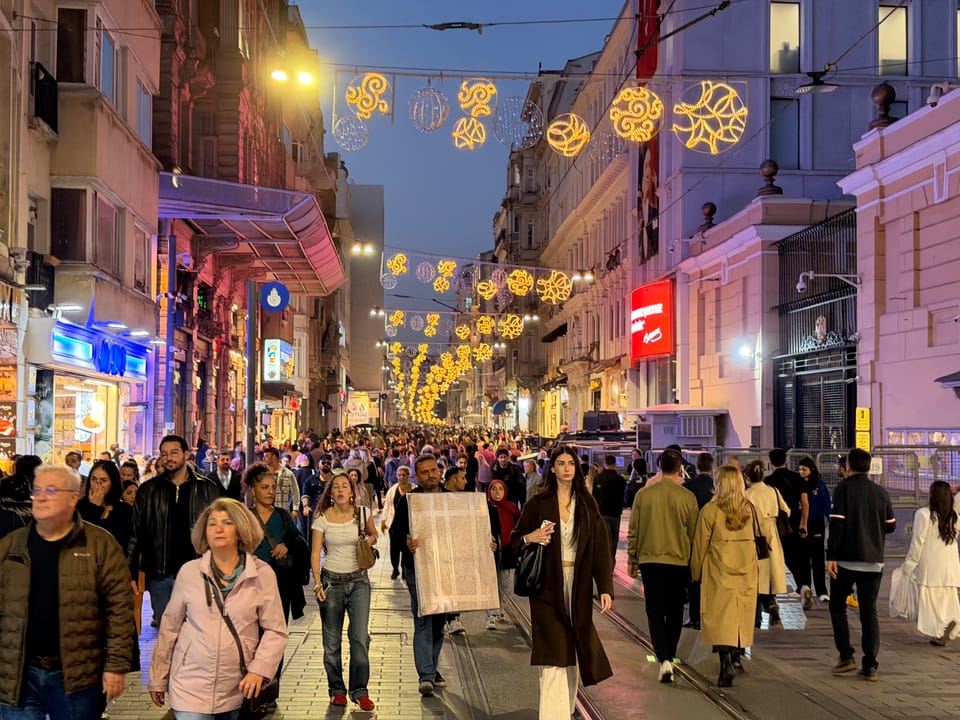
We based ourselves near Galata Tower, in the heart of the old city. The area is bustling - almost overwhelmingly so - but that energy became part of the experience. Narrow streets, rooftop restaurants, the call to prayer echoing across the skyline. It's a city that demands your attention, which made it easier to be fully present rather than half-distracted by normal routines.
What We Actually Did
The structure was straightforward. Days in the boardroom. Evenings together.
Each team member presented the knowledge that lived in their head. Not formal training sessions with polished slides, but working sessions where someone would share how they think about a problem, walk through their approach, and answer the questions that only come up when you're in the same room.
We covered the core architecture of our platform. We went deep on SIP knowledge and phone system components. We explored software principles and the structural decisions that shaped how our codebase evolved.
More than just presentations, we tested and troubleshot the system together. When you're sitting next to someone who knows the infrastructure while you're debugging an issue, the learning happens in real time. We built shared understanding of how to diagnose and resolve faults - knowledge that would have taken months to transfer through documentation alone.
By the end of the week, we had ironed out our roadmap for release. Everyone left with a full understanding of our API structure. The gaps in knowledge that we didn't even know existed had been filled.
The Unexpected Value of Evening Hours
The boardroom sessions were productive. But something equally important happened over dinner.
We explored the Galata neighbourhood together, finding restaurants tucked away from the tourist crowds. We took a ferry up the Bosphorus on the first day, watching Istanbul's skyline recede as we headed toward a quieter part of the country. We went to karaoke.
I hadn't sung karaoke in years. Konstantins and Matt are regulars - they were the ones who convinced the rest of us to get on stage. Three or four songs later, I remembered why it's fun. Not because any of us are talented singers, but because there's something about being slightly ridiculous together that accelerates trust.
These moments matter more than they might seem. When you've shared a meal, laughed at each other's song choices, and navigated an unfamiliar city together, the next video call feels different. You're not just colleagues. You're people who know each other.
Remote Work Is Good. In-Person Is Different.
I'm a believer in remote work. We UC wouldn't exist in its current form without the ability to hire talented people regardless of where they live. The flexibility, the focus time, the lack of commute - these are real benefits that I don't take for granted.
But remote work has limits.
Video calls are transactional by nature. You schedule them, you discuss the agenda, you end them. There's rarely space for the tangential conversations that spark unexpected ideas. The spontaneous "actually, while you're here, can I show you something?" moments don't happen when you have to book a meeting first.
Documentation captures knowledge, but not wisdom. You can write down what to do, but the context of why - the failed approaches, the edge cases, the reasoning - often stays locked in the person who learned it the hard way.
And trust builds slowly through screens. You can respect someone's work, rely on their output, even enjoy their company on calls. But there's a depth of connection that only comes from physical presence.
This isn't an argument against remote work. It's an argument for punctuating it with intentional in-person time.
Making It Work Practically
A week away from normal operations isn't trivial to arrange. Here's what made it work for us:
Clear purpose. This wasn't a team-building retreat disguised as work. We had specific knowledge gaps to address and outcomes we wanted. The social bonding was a benefit, not the primary goal.
The right people. Six people, each holding expertise the others needed. Small enough for genuine conversation, large enough to represent the key domains of our platform.
Structured days, flexible evenings. Boardroom sessions during working hours kept us focused. But we didn't schedule every minute. The evenings were open for whatever felt right - dinner, exploration, karaoke.
A neutral location. Meeting in Southampton or Kyiv would have meant some people were hosts and others were guests. Istanbul put everyone on equal footing, discovering the city together.
What We're Taking Forward
We left Istanbul with more than shared knowledge. We left with alignment.
When everyone understands not just their piece but how it connects to everything else, decisions get easier. Fewer meetings are needed to get buy-in because people already have context. Problems get solved faster because you know who to ask and they know enough of your world to help.
The roadmap we built that week has become our guide for the coming months. The API understanding we developed has already accelerated development. The diagnostic skills we practised together have reduced the time it takes to resolve issues.
We want to do these meet-ups quarterly. The reality of running a business means we can't commit to a fixed schedule - work demands flex, and sometimes that means postponing plans. But the intention is there because the value is clear.
The Balance
Remote work gives us access to talent we couldn't otherwise reach. It provides flexibility that makes life better for everyone on the team. It's not a compromise - it's a genuine advantage.
But humans aren't purely rational agents exchanging information through optimal channels. We're social creatures who build trust through shared experience, who learn through conversation and demonstration, who work better with people we actually know.
The companies that thrive with distributed teams won't be the ones that treat remote work as a cost-saving measure. They'll be the ones that invest in bringing people together when it matters.
A week in Istanbul cost us flights, accommodation, and time away from normal work. What it gave us - shared knowledge, stronger relationships, aligned vision - will pay dividends for months.
Sometimes the best way to work remotely is to stop working remotely, even if just for a week.
Subscribe to our newsletter.
Become a subscriber receive the latest updates in your inbox.